Board of DIrectors

AI, Board of DIrectors, Leadership

AI Fluency Is the New Leadership Imperative

The most capable contributor on your team may not be human. That changes everything about leadership — not just what you use, but what you know, what you govern, and what you hire for. Six research-backed skills separate leaders who are genuinely building AI-fluent organizations from those who bought tools and called it transformation.

AI, Board of DIrectors, culture

Are We Living in a Golden Age of Stupidity? Why AI Is Making Us Dumber and What Leaders Can Do About It

New MIT research reveals a disturbing truth: when we use AI to think for us, our brains literally shut down. We’re entering a “stupidogenic society” where technology erodes our ability to think critically, remember information, and reason independently. For business leaders, the question isn’t whether to adopt AI—it’s how to deploy it without destroying your workforce’s most valuable asset: their ability to think.

AI, Board of DIrectors, culture, growth, Innovation, Leadership

The Innovation Paradox: Why Organizations Resist the Future They Say They Want

In conference rooms across corporate America, a peculiar ritual unfolds daily. Executives speak passionately about “digital transformation” and “AI-first strategies,” nodding earnestly as consultants present frameworks for organizational change. Then, when the PowerPoint slides fade and the real work begins, these same organizations deploy an arsenal of processes, committees, and approval workflows that make meaningful innovation nearly impossible. This isn’t hypocrisy—it’s something more interesting. It’s the institutional equivalent of a person who desperately wants to learn to swim but refuses to get in the water because it might be dangerous.

Board of DIrectors, Business Strategy, growth, Growth Hacking, Leadership, Market Disruption

M&A vs. Organic Growth: A CEO’s Strategic Playbook

The decision between mergers and acquisitions (M&A) and organic growth is pivotal for any CEO. This article presents a comprehensive framework with 12 best practices to help navigate this critical decision, covering strategic alignment, market conditions, financial considerations, organizational readiness, and risk management.

AI, Board of DIrectors, Business Strategy, Generative AI

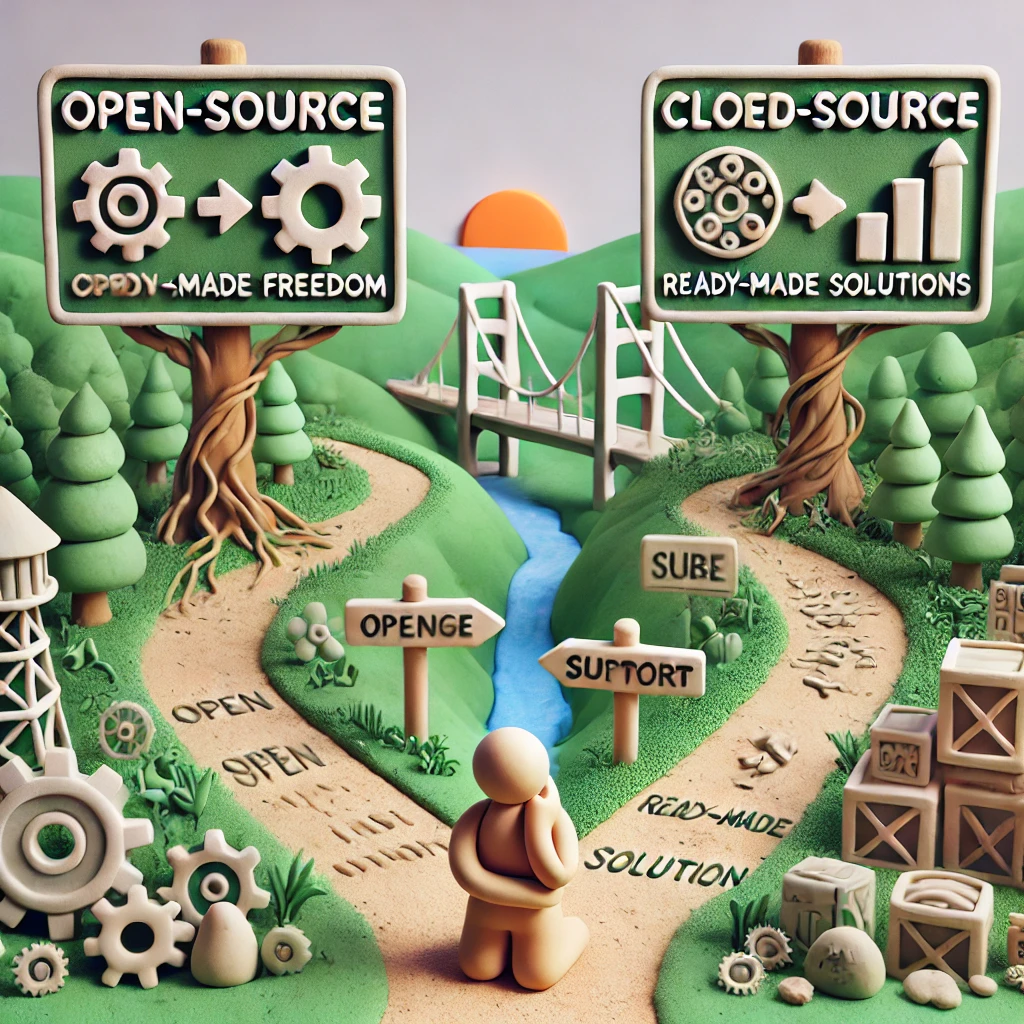
AI Models Dilemma: Should You Build or Lease? A Strategic Playbook for Leaders

In today’s rapidly evolving AI landscape, one critical decision stands out for business leaders: should you build AI capabilities using open-source models, or lease pre-built, closed-source models? This choice can significantly impact your product’s cost, functionality, and control. Making the right decision can accelerate your growth, optimize costs, and give you a competitive edge in the market. Here’s a simple framework to help you decide.

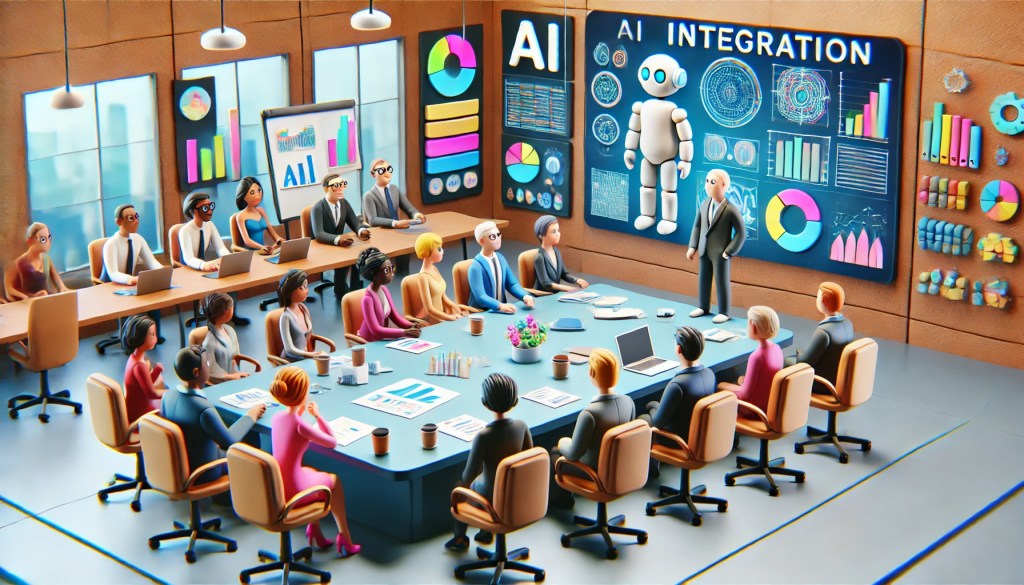
large boardroom wth Claymation people looking at CEO discuss AI STrategy
AI, Board of DIrectors, Business Strategy

Decoding AI Strategy: Top Questions CEOs Are Really Asking About AI

In my role as an AI advisor, I’ve had the privilege of sitting across from CEOs and board members from a diverse range of industries this past year. From tech startups to century-old manufacturing giants, one thing is clear: AI is no longer a fringe topic. It’s front and center in the C-suite. In this blog, I’ll share the top questions CEOs are asking about AI and how to approach them using the STRIVE framework, covering strategic alignment, threat management, return on investments, innovation, vendor decisions, and impact evaluation.

Board of DIrectors, DEI, ESG, Leadership, Sustainability

Beyond Profit: A Case for ESG’s Role in Shaping a Just and Sustainable Future

In a fervent response to recent critiques of Environmental, Social, and Governance (ESG) principles, this post argues for the intrinsic value of ESG beyond mere profit metrics. It challenges the notion that ESG’s worth is tied to stock performance, advocating instead for a broader vision of sustainability and justice that prioritizes our collective responsibility towards the planet and future generations over short-term financial gains.

AI, Board of DIrectors, Business Strategy, Generative AI, Innovation, Leadership

How to Integrate AI in Your Business: A Practical Framework for Leaders

Integrating AI into your business can seem daunting, but with a strategic two-pronged approach, it’s achievable. This post delves into a top-down and bottom-up strategy for AI integration, balancing immediate value with long-term innovation. Whether it’s leveraging AI for customer service or harnessing proprietary data for a competitive edge, we provide a clear framework for leaders to identify and prioritize AI initiatives for maximum business impact. Embrace AI safely and democratically to unlock new efficiencies and secure your business’s future. Join the transformative journey of AI integration today.

On the left is the 'Before AI' scene with a Lego figure at a cluttered desk, and on the right is the 'After AI' scene showing a Lego figure at a modern, organized desk with a small Lego robot assistant. The simplicity of the scenes effectively conveys the contrast between the disorganized 'Before' and the efficient 'After' without unnecessary details.
AI, Board of DIrectors, Business Strategy, Generative AI, growth, Innovation, Market Disruption, Startup Success

Transform Your Business with Generative AI: Proven Implementation Tactics for CTOs and CMOs

Discover how your business can leverage the power of generative AI with our proven implementation tactics. Dive into this essential guide for CTOs and CMOs and embark on a transformative journey towards smarter decision-making, personalized customer experiences, and innovative products. It’s time to revolutionize your operations with generative AI.

AI, Board of DIrectors, Business Strategy, Generative AI, Innovation, Leadership

Leading the Generative AI Revolution: A Comprehensive Strategy for CEOs to Drive Growth and Innovation

In the age of the generative AI revolution, CEOs have an unprecedented opportunity to harness this powerful technology to drive growth and innovation. This article outlines five critical pillars for effective AI integration – identifying golden use cases, investing in the right infrastructure, crafting a long-term vision and ethical framework, building a talent strategy, and executing strategy – offering a strategic roadmap for CEOs to navigate the AI landscape.

AI, Board of DIrectors, Business Strategy, Leadership

13 AI-Powered Tools for Enhanced Board Decision-Making: A Comprehensive Guide for CEOs and Board Directors

Discover the top AI-powered tools for board decision-making and learn how they can enhance strategic planning, risk management, and compliance oversight for CEOs and directors. Our comprehensive guide outlines the strengths and weaknesses of various tools, helping you make informed choices for your organization.

Board of DIrectors, Business Strategy, culture, ESG, Leadership, Sustainability

Upskilling Employees in ESG: Building a Culture of Sustainability

As the world becomes increasingly aware of the environmental and social impacts of business, leaders must prioritize sustainability to ensure the long-term success of their organizations. This means integrating sustainability into every aspect of business, from product design and development to supply chain management and customer engagement. However, achieving this goal requires more than just a few isolated sustainability initiatives. It requires upskilling employees in ESG and building a culture of sustainability throughout the organization.

To achieve this, business leaders must take a systematic approach that includes the following actionable steps:

Top-Down Leadership
Leadership Development
Competency Frameworks
Sustainability Strategy
Employee Engagement
ESG Committees and Board Education
By prioritizing sustainability and upskilling employees in ESG, companies can reap significant benefits, such as improved brand reputation, reduced costs, enhanced innovation, and increased employee engagement. Moreover, by integrating sustainability into the core business, companies can contribute to a more sustainable and equitable future for all.


Scroll to Top